
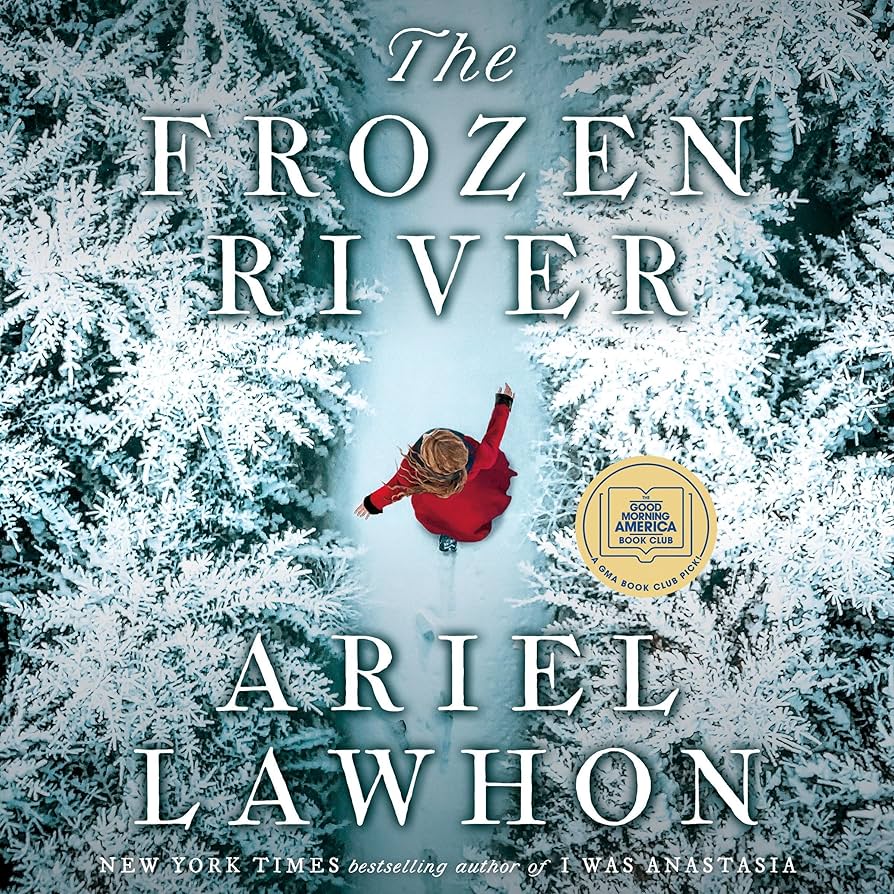
Maine, 1789.
Just from that (and a recommendation from a friend), I was intrigued and only hesitated to dive into reading The Frozen River by Ariel Lawhon when I realized it was written in first person. And after reading, I still think it would have been better written in the third person POV, but that doesn’t mean I didn’t enjoy it.
Writing Style
Lawhon’s writing style nicely tows the line between literary fiction and historical fiction. Her sentences have a poetic lilt to them. The way she describes the setting is not exhaustive or particular like Diana Gabaldon, but it’s clear and beautiful. As mentioned, the first person POV used was, at times, too limiting in describing the detail, community, and historical setting of The Frozen River, but ultimately, I believe necessary to the plot.
Plot
The plot was heartbreaking and curious and kept a good tension throughout the book. Lawhon does well to respect her readers intellect with it. She mostly leaves things to question and trusts her readers to work through the hints she’s given. And when it comes time for answers to be had, she acts it all out nicely in dialogued and action-driven scenes (only one felt rushed). I appreciate that. The ending was a bit idealistic, albeit quite funny and satisfying. (Read her Authors Note on that.)
Characters
The characters made up a diverse palette of characteristics, well nuanced though some were more flat than others. Each wove a thread into the overall story and worked well together. I can’t write this review without saying I was saddened by one characters outcome. I won’t say who, as it would give something important away, but I believe this characters’ realistic ending actually did a lot to keep the plot somewhat leaning more towards the sub-genre of literary fiction rather than romance.

The main character, Martha, through whom we watch the story unfold, was 85% there. Personally, I liked her, but I couldn’t help but feel the author took some creative liberties to craft a persona washed in a 21st century feminist light, which at times was jaunting against the 18th century backdrop. It’s not an unusual route for historical narratives across all mediums to do this, but it’s confusing. I appreciate a genuine rendering of a historical context. My red flag goes up when I start to read or hear things I concurrently read and hear in my 21st century life. It’s not that I disagree with the ideas, per say. It’s that I constantly find myself questioning “What is true of this historical time period and what is not?” which in turn can, as stated earlier, pull me out of the story itself.

Photo Credit: PBS
After reading the Authors Note, I learned Lawhon spent 15 years researching and crafting this story, relying heavily on the historical Martha Ballard’s journal and a historical overview of her life, A Midwife’s Tale: The Life of Martha Ballard, Based on Her Diary, 1785-1812 by Laurel Thatcher Ulrich. The author does admit to fleshing out the inner life of Ballard as the diaries rarely, if ever, hold any personal feelings or reflections held by Martha. Martha Ballard merely wrote the facts of each day, as her character does in the novel. Lawhon did her best to interpret how those facts might reveal or play into Ballard’s inner life. A mammoth task, no doubt.
I haven’t done the research Ariel Lawhon has done, so all I can say is that my experience reading Martha’s character at times seemed anachronistic and took me out of the story, as well as some of her daily life. For example, I could not wrap my brain around the way she and her children dined at the restaurant in town instead of as a family at home, and some of her phrases felt a bit too modern. I also had a hard time reading the romance scenes between Martha and her husband, Ephraim. They seemed a bit too steamy and unconvincing for a Christian woman zipped up in the propriety of a post-Puritan New England. Then again, it’s entirely likely that my understanding and view of the real daily life of those living in 19th Century New England may be ill-informed.
In any case, Martha read like Lawhon was dressing her in modern America, at times, using Martha as a mouthpiece for feminist ideology.
Personal Impact
And that, readers, brings me to final point of review. This book spurred me on to learn about a time and place in history that I know little about. I learned something, was exposed to a world I’d previously never encountered and I’m excited to dig more into it. I can also say that one or two quotes will stay with me. I’ll share one, spoken by Martha upon her first intimate encounter with her husband: “I didn’t know how to surrender.”
Would recommend.
Authors Note: Thank you for reading this story and we hope you enjoyed it. Feel free to hold down those little clapping hands till they hit 50 and leave your thoughts or links to stories you’ve written or think might be of interest. If you’d like to see more story-driven writing, check out the similar posts below.



Leave a Reply